
- Types of Floating Mats
- Benefits of Floating Mats
- Safety Guidelines
- Maintenance Tips
- Top Floating Mats on the Market
- Installation and Usage Guide
- FAQs
- Are floating mats safe for kids?
- How do I clean my floating mat?
- Can I use it in salt water?
- How long does a floating mat last?
- Do I need to anchor my floating mat?
- Can I use a floating mat on a lake?
- What is the weight limit for floating mats?
- Are inflatable floating mats easy to store?
- Conclusion
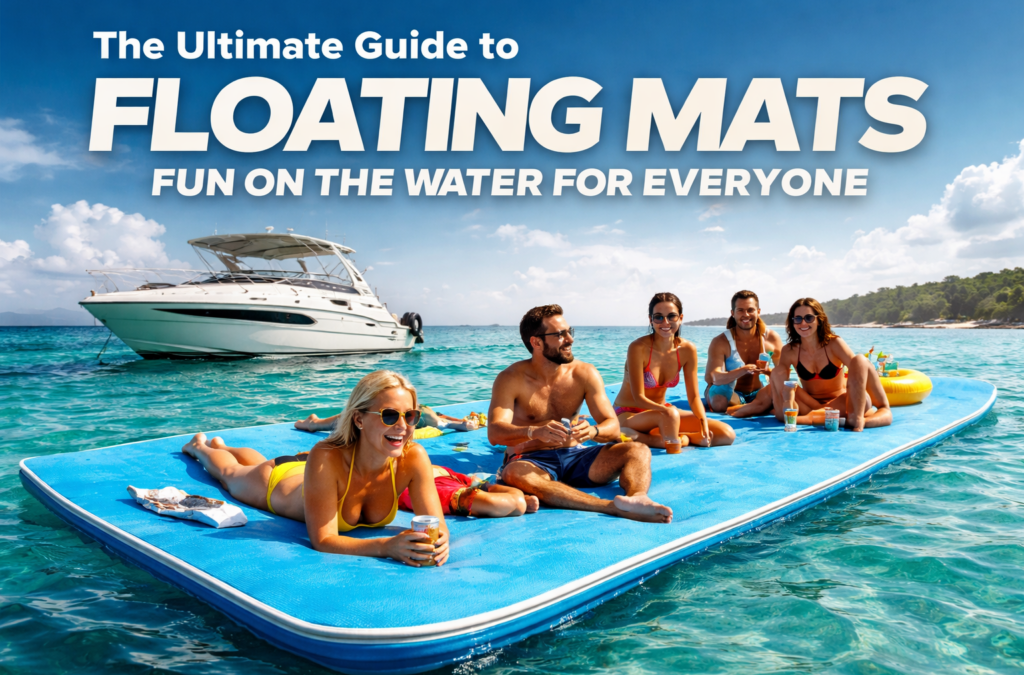
Floating mats have taken the casual water recreation scene by storm, offering a unique way for families, friends, and outdoor enthusiasts to enjoy water-based activities. Whether anchored to a boat or deployed right by the shore, these versatile mats provide a stable platform for lounging, playing, and relaxing under the sun. As they grow in popularity, understanding their features, benefits, and the best practices for usage can enhance your experience.
In this ultimate guide, we will explore everything you need to know about floating mats. From types and safety tips to maintenance and popular models, this comprehensive resource is designed to ensure fun and enjoyment on the water, regardless of skill level or experience.
Quick Key Takeaways
- Floating mats are ideal for families and groups.
- Different sizes and materials offer various use cases.
- Always prioritize safety with proper anchoring and supervision.
- Maintenance is essential for longevity and performance.
- Popular choices include brands like Aqua Lily and GigaMat.
Table of Contents
- Types of Floating Mats
- Benefits of Floating Mats
- Safety Guidelines
- Maintenance Tips
- Top Floating Mats on the Market
- Installation and Usage Guide
- FAQs
- Conclusion
Types of Floating Mats
Floating mats come in various styles, designs, and materials, each offering unique benefits. Here’s a closer look at the primary types:
High-Density Foam Mats
Foam mats are popular due to their buoyancy and durability. Made from closed-cell foam, they are lightweight and resistant to water absorption.
Pros:
- Comfortable to lie on
- Easy to clean
- Low maintenance
Cons:
- Can be prone to puncturing
- May fade over time
Inflatable Floating Mats
Inflatable mats offer flexibility in size and are easy to transport. They usually feature reinforced seams for better durability and can be packed down for storage.
Pros:
- Compact for storage
- Adjustable sizes
- Often incorporate additional features like drink holders or splash pads
Cons:
- Prone to punctures if not handled carefully
- Requires air pump for inflation
Heavy-Duty PVC Mats
These mats are crafted from strong PVC material that can stand up to rough conditions. They are suitable for both lakes and ocean use but may require more maintenance.
Pros:
- Extremely durable
- Resistant to UV rays and chemicals
- Suitable for a wide range of aquatic environments
Cons:
- Heavier than foam or inflatable mats
- Can be more expensive
Benefits of Floating Mats
Floating mats provide various compelling benefits that answer the recreational needs of families and friends alike:
- Versatility: Great for leisure, games, or sunbathing.
- Social Interaction: Perfect for group activities, enhancing bonding experiences.
- Easy Access: Simple to reach from a boat, dock, or beach.
- Comfort: Designed with materials that provide comfort while floating, ensuring a relaxing atmosphere.
- Physical Activity: Encourages movement and play on the water, beneficial for maintaining an active lifestyle.
Safety Guidelines
Safety should always be a priority when using floating mats. Here are essential safety guidelines to ensure a safe experience:
- Supervision: Always supervise children while they are on or near the floating mat.
- Anchoring: Use proper anchoring methods to keep the mat in place and prevent drifting, especially in windy conditions.
- Life Jackets: Ensure life jackets are worn by children or non-swimmers.
- Check for Damage: Regularly inspect the mat for punctures, tears, or any signs of wear before use.
- Limit Load: Be aware of the weight capacity to prevent accidents.
Maintenance Tips
Proper maintenance will extend the life of your floating mat:
- Cleaning: Rinse with fresh water after each use to remove chlorine, salt, and debris.
- Drying: Always allow the mat to dry completely before storage to prevent mold and deterioration.
- Storage: Store in a cool, dry place out of direct sunlight to avoid UV damage.
- Inspection: Regularly check seams and material for wear and tear.
Top Floating Mats on the Market
With numerous options available, here are some of the best floating mats:
Aqua Lily Pad
The Aqua Lily Pad is a fan favorite for its stability and large surface area. Made from durable foam, it offers a premium experience.
Features:
- Multiple sizes available
- UV-resistant
- Easy to roll up for storage
GigaMat
This inflatable mat is designed to accommodate larger groups. It features built-in cupholders and a soft, comfortable surface.
Features:
- Expandable for customization
- Quick inflation and deflation
- Comes in bright, engaging colors
Floating Oasis
The Floating Oasis is a heavy-duty mat made from PVC, ideal for extended use in both freshwater and saltwater.
Features:
- High weight capacity
- UV protection
- Resistant to punctures
Installation and Usage Guide
Setting up and using a floating mat is straightforward:
- Choose a Location: Select a safe and calm area of the water.
- Prepare the Mat: If inflatable, inflate the mat as per instructions.
- Secure the Mat: Use a tether or anchor line to attach the mat to the boat or dock.
- Test for Stability: Ensure the mat is stable before allowing users on it.
- Enjoy! Engage in games, lounging, and relaxing on the water.
FAQs
Are floating mats safe for kids?
Yes, but adult supervision is always required to prevent accidents.
How do I clean my floating mat?
Rinse with fresh water and allow it to dry completely before storage.
Can I use it in salt water?
Many floating mats are designed for both freshwater and saltwater use, but always check the manufacturer’s guidelines to be sure.
How long does a floating mat last?
With proper care, many floating mats can last several seasons.
Do I need to anchor my floating mat?
Yes, anchoring is essential to prevent drifting, especially in windy conditions.
Can I use a floating mat on a lake?
Absolutely, they are designed for both lakes and oceans.
What is the weight limit for floating mats?
Weight limits vary by product; refer to the specifications for each mat.
Are inflatable floating mats easy to store?
Yes, they can be deflated and rolled up for easy storage.
Conclusion
Floating mats provide a fun and versatile way to enjoy water activities. From relaxing on the water to engaging in games, they cater to various recreational needs. Following safety guidelines and maintenance tips will help you make the most of your mats, ensuring they provide joy for seasons to come. Whether you’re on a family outing or a day with friends, floating mats create an engaging and pleasurable experience that everyone can enjoy. Don’t miss out on this fantastic addition to your water-based adventures!