
- Quick Key Takeaways
- Table of Contents
- The Rise of Inflatable Floating Islands
- Engineering Fundamentals
- Materials Used in Construction
- Buoyancy and Stability Mechanics
- Design Considerations
- Safety Features and Testing Protocols
- Applications and Uses
- Environmental Impact of Inflatable Islands
- Future Innovations
- FAQ
- Are inflatable floating islands safe?
- How much weight can a typical inflatable floating island hold?
- What materials are inflatable floating islands made from?
- Can inflatable floating islands be used in ocean waters?
- How long does it take to inflate an inflatable floating island?
- Do inflatable islands require maintenance?
- Can inflatable floating islands be repaired if damaged?
- What is the average lifespan of an inflatable floating island?
- Conclusion
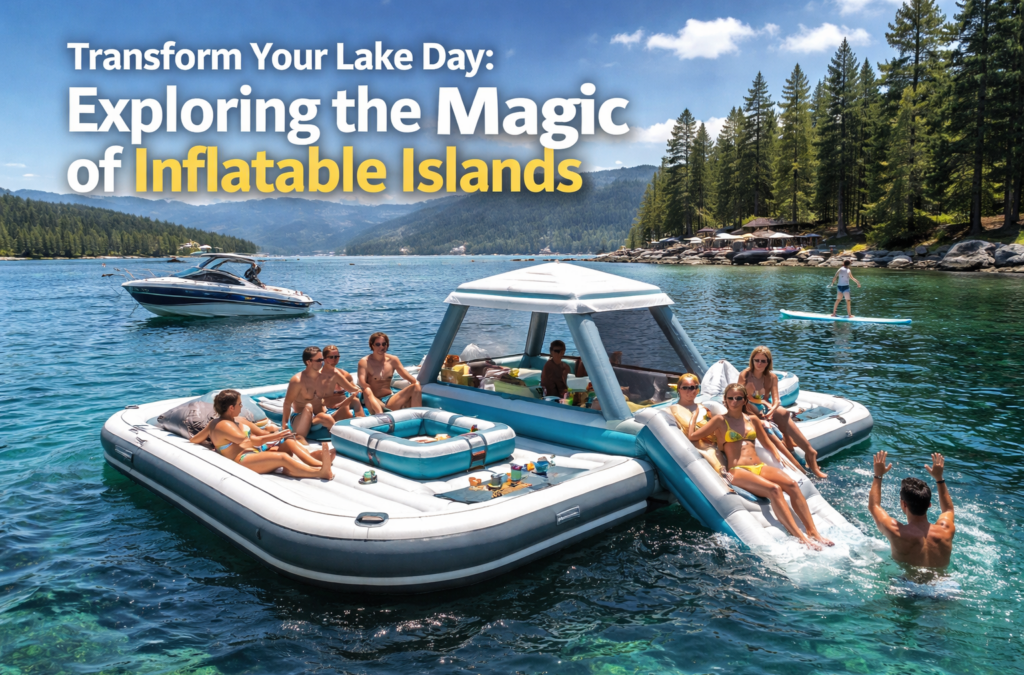
Inflatable floating islands have swiftly evolved from imaginative designs to practical marine accessories, capturing the fascination of boaters, families, and vacationers alike. These innovative structures provide not only a unique boating experience but also serve as a platform for relaxation and recreation on the water. Engineering advancements have played a pivotal role in transforming these concepts into safe and functional floating platforms that can withstand diverse marine environments. This article delves deep into the fascinating world of inflatable floating islands, exploring the engineering principles, design, materials, and safety mechanisms that underpin their development.
In a world increasingly focused on environmental concerns, inflatable floating islands also reflect a shift towards sustainable recreational activities. Made from innovative materials that balance durability and weight, these floating platforms are not just fascinating features; they represent a keen intersection of engineering and enjoyment on the water. Join us as we meticulously unpack the intricate engineering that brings inflatable floating islands from concept to reality.
Quick Key Takeaways
- Inflatable floating islands are a growing trend in marine recreational accessories.
- Advanced engineering ensures safety and durability of these structures.
- A variety of materials are used in construction, balancing flexibility and strength.
- Innovations in buoyancy technology contribute to the stability of floating islands.
- Bright colors and unique designs make them visually appealing for recreational use.
Table of Contents
- The Rise of Inflatable Floating Islands
- Engineering Fundamentals
- Materials Used in Construction
- Buoyancy and Stability Mechanics
- Design Considerations
- Safety Features and Testing Protocols
- Applications and Uses
- Environmental Impact of Inflatable Islands
- Future Innovations
- FAQ
- Conclusion
The Rise of Inflatable Floating Islands
Inflatable floating islands originally appeared as a whimsical concept, often featured in tropical vacation spots or recreational lakescapes. Over time, these platforms have gained traction in the marine industry due to their versatility and ease of use.
Historical Perspective
Historically, it was small recreational inflatable products, like kayaks and pool floats, that set the stage for the development of larger inflatable structures. As technology improved, manufacturers began to experiment with high-pressure air chambers and innovative materials, progressing towards creations that could accommodate larger groups and varied activities.
Market Growth
With an increase in the interest for outdoor lifestyle and water sports, the demand for inflatable floating islands has surged. Boaters and families seek upgrade options for their on-water activities, creating a market ripe for development. Many manufacturers have responded with advanced features, catering to increased consumer desires for design, size, and functionality.
Engineering Fundamentals
The engineering behind inflatable floating islands combines physics, materials science, and innovative design to create platforms that are both safe and enjoyable.
Physics in Floating Structure
At its core, the design of an inflatable floating island relies heavily on buoyancy principles. Archimedes’ principle dictates that an object submerged in fluid is buoyed up by a force equal to the weight of the fluid displaced.
The engineers ensure that the design of these islands allows for efficient weight distribution across the platform. An effective design considers:
- Weight limits
- Surface area for stability
- Optimized shape for hydrodynamic flow
Structure Design
To maximize surface area while maintaining structural integrity, engineers use an efficient surface configuration. Curvilinear designs provide stability and additional space for activities, such as sunbathing or socializing, ensuring safety in various water conditions.
Materials Used in Construction
The selection of materials is crucial in creating durable and lightweight inflatable floating islands.
Advanced Synthetic Fabrics
Today’s platforms commonly utilize advanced synthetic fabrics like PVC (polyvinyl chloride) and TPU (thermoplastic polyurethane). These materials are chosen for:
- Durability: High resistance to tears and abrasions.
- Waterproofing: Preventing water absorption to maintain buoyancy.
- UV Resistance: Protecting against sun degradation for longevity.
Inflatable Chambers
Chambers are often constructed using multi-layered designs, enhancing both insulation and buoyancy. They incorporate air beams that, when inflated, provide a robust structure while remaining lightweight.
Buoyancy and Stability Mechanics
Creating a floating structure is only half the battle; ensuring it remains stable in varying sea conditions is vital.
Integrating Buoyancy Technology
Engineers incorporate innovative buoyancy technology by modifying air chamber layouts. Designers often create multiple interconnected chambers that provide redundancy; if one chamber deflates, the others will maintain stability.
Testing and Optimization
Detailed simulation testing is employed to ensure that the inflation and weight distribution methods meet safety standards. Testing includes:
- Load tests to assess maximum weight thresholds.
- Stability tests that evaluate performance in water under varying conditions.
- Wear and tear analysis aimed at understanding how daily use affects structure integrity.
Design Considerations
Modern inflatable floating islands feature unique designs tailored to user preferences while maintaining safety and performance.
Aesthetic Appeal
Color combinations and thematic designs are a prevalent focus for manufacturers to enhance attractiveness. The use of bright hues can appeal to families, whereas sophisticated neutral palettes are designed for luxury products.
Functional Features
Several inflatable islands now come packed with functional amenities:
- Integrated storage solutions to hold personal belongings.
- Built-in shade canopies for user comfort.
- Attachment points for additional gear or water sport accessories.
Safety Features and Testing Protocols
Ensuring user safety is paramount in the engineering of inflatable floating islands.
Rigorous Testing Protocols
Manufacturers develop comprehensive safety protocols adhering to marine industry standards. Testing procedures include:
- Inflation testing to check for consistent pressure across all chambers.
- Simulated abuse tests to determine the material’s durability under stress.
- Emergency protocols to prepare for potential scenarios, such as rapid deflation.
Safety Features
Essential safety features built into inflatable islands include:
- Non-slip surfaces to prevent slips and falls.
- High-visibility colors to make them noticeable in busy waterways.
- Reflective material enhancements for increased visibility during low-light conditions.
Applications and Uses
Inflatable floating islands demonstrate versatility in various applications across the recreational sector.
Family Recreation
Family-oriented designs offer wide space and amenities suited for group activities, making them ideal for picnics, sunbathing, and games on the water.
Event Hosting
Event planners have begun to embrace inflatable floating islands for gatherings, parties, or celebrations on the water. Custom features can be added based on user requirements, including sound systems and ambient lighting.
Environmental Impact of Inflatable Islands
The manufacturing and use of inflatable floating islands can have environmental impacts which must be managed.
Sustainable Practices
Many manufacturers are adopting sustainable practices, incorporating eco-friendly materials and adopting efficient production methods.
Recyclability
The focus on using recyclable materials like PVC and TPU not only assists in waste reduction but also promotes sustainability in boating accessories.
Future Innovations
The future of inflatable floating islands promises exciting developments driven by technological advancements.
Smart Design Elements
Incorporating smart technology, such as GPS tracking and integrated solar panels for charging devices, can enhance user experience and safety.
Eco-Friendly Solutions
Looking forward, manufacturers are exploring biodegradable materials that can withstand marine conditions without harming marine ecosystems.
FAQ
Are inflatable floating islands safe?
Yes, inflatable floating islands are designed with numerous safety features and undergo rigorous testing to ensure stability and durability on the water.
How much weight can a typical inflatable floating island hold?
The weight capacity varies by model but can typically range from 600 to 2,200 pounds, depending on the engineering and material specifications.
What materials are inflatable floating islands made from?
Most inflatable islands are constructed with high-strength PVC or TPU, which offer excellent durability and resistance to water absorption.
Can inflatable floating islands be used in ocean waters?
Yes, many inflatable floating islands are designed for ocean use, but it’s essential to check specific product specifications for suitability.
How long does it take to inflate an inflatable floating island?
Inflation time can vary, but it typically takes anywhere from 5 to 15 minutes, depending on the size and design.
Do inflatable islands require maintenance?
Like all marine products, inflatable islands require regular maintenance, including cleaning after use and periodic checks for leaks or wear.
Can inflatable floating islands be repaired if damaged?
Yes, most manufacturers provide repair kits for punctures or tears, allowing for easy maintenance and prolonging the lifespan of the island.
What is the average lifespan of an inflatable floating island?
With proper care, an inflatable floating island can last anywhere from 5 to 10 years, depending on usage and environmental factors.
Conclusion
The journey from concept to reality for inflatable floating islands highlights the incredible intersection of creativity and engineering in the marine industry. Through advanced material science, rigorous safety standards, and innovative designs, these floating islands offer unique recreational experiences for all ages. Their ability to adapt to consumer needs while focusing on safety and sustainability will undoubtedly ensure their place in future boating adventures. As the marine world continues to evolve, inflatable floating islands will likely see even greater advancements, setting the stage for unparalleled on-water experiences.